Your Free Human Design Chart for Writers & Creatives
Discover how you’re designed to create.
Why do some writers work best in short, inspired bursts while others thrive with a steady rhythm? Why does one person need a detailed outline while another discovers their story as they go? And why can the same creative advice that transforms one writer leave another feeling completely stuck?
Your Human Design offers a framework for exploring these differences.
Created from your birth date, time, and place, your chart provides a map of your unique design. For writers and creatives, it can become a starting point for understanding your natural rhythms, decision-making, creative strengths, and the patterns that may be influencing your relationship with your work.
Enter your birth details below to generate your free chart. Then, begin exploring what your design might reveal about the way you write, create, and bring your ideas to life.
A Beginner’s Guide to Your Human Design Chart
A little help understanding what you’re looking at, and how it might change the way you create.
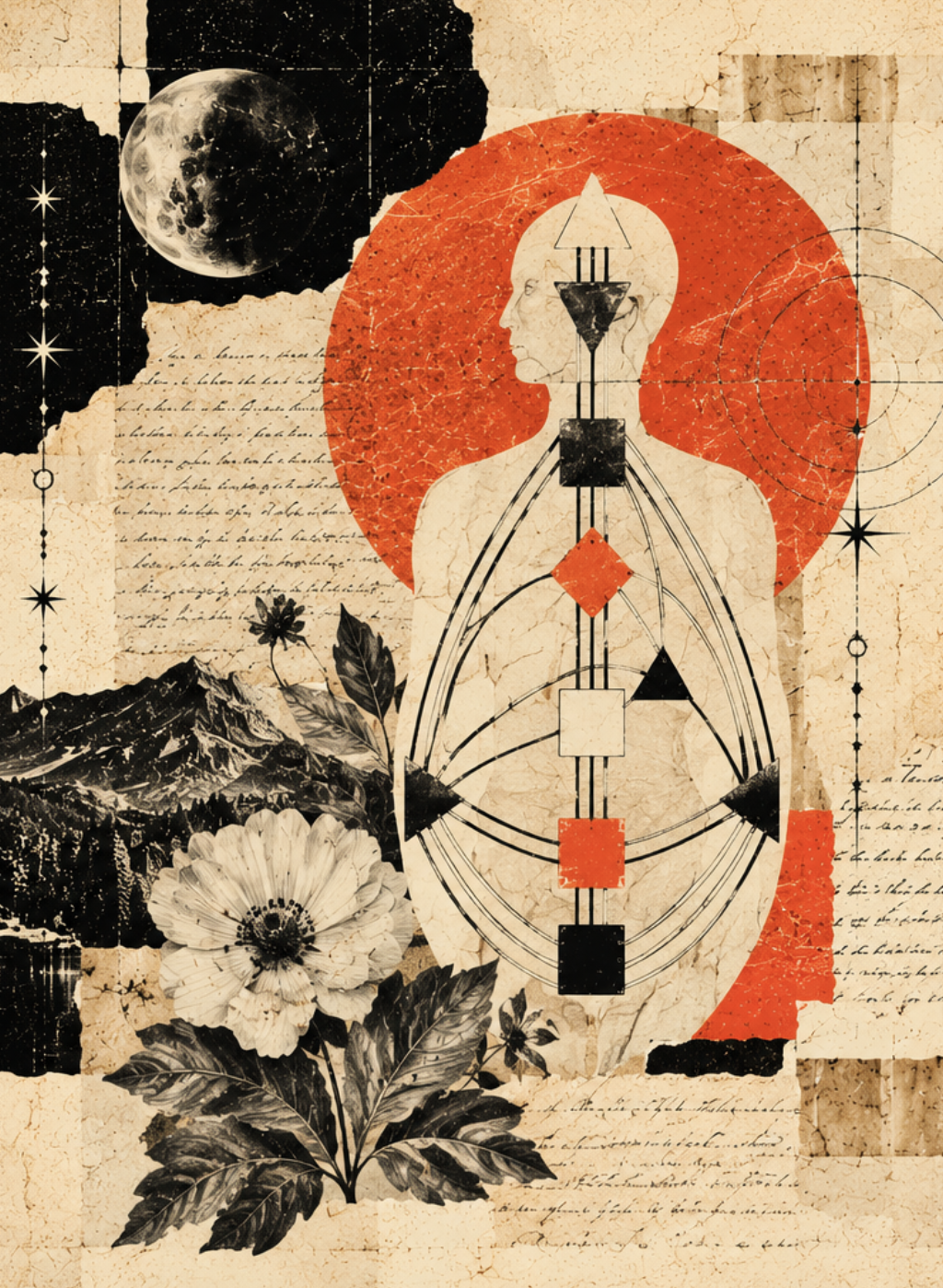
Your Human Design chart can look like a lot at first. There are shapes, numbers, lines, and words that might not mean much to you yet. You don’t need to understand everything at once, and you certainly don’t need to memorize the system to begin learning from it.
Think of your chart as a starting point for getting curious about yourself: how your energy moves, how you make decisions, what inspires you, and what happens when you try to create in ways that don’t feel natural to you.
Whether you write, paint, make music, design, build, or simply feel called to bring something new into the world, your creative process is worth getting to know. Here are four places to begin.
1. Your Type: How Your Energy Moves
Your Type offers a broad picture of how you engage with the world and use your energy. In your creative life, it can give you a new lens for thinking about your rhythms, how you approach your work, and what it means to find a sustainable way to create.
Rather than measuring yourself against someone else’s process, begin noticing what actually works for you. Do you tend to work in bursts? Do you need time to respond to an idea before committing to it? Does your energy change depending on what you’re making?
Your Type can offer language for exploring those questions, without becoming another set of rules you have to follow.
2. Your Authority: Learning to Trust Your Decisions
Your Authority describes your personal decision-making process. For creatives, this can be especially interesting when you’re deciding which idea to pursue, whether a project feels right, when to share your work, or whether it’s time to take something in a new direction.
Many of us have learned to make creative decisions through pressure, overthinking, comparison, or a desire to get things right. Exploring your Authority invites you to get curious about how you arrive at decisions when you’re not trying to meet someone else’s expectations.
You don’t have to force clarity or make every decision immediately. Start by noticing how you experience a genuine yes, a no, or a moment when you need more time.
3. Your Profile: The Way You Learn and Grow
Your Profile is made up of two numbers and offers a lens for understanding the themes that shape your experience and personal growth.
In your creative life, this can help you explore how you learn, gather inspiration, develop ideas, and come into your own. Some of us need room to experiment. Some learn through deep study or lived experience. Others discover what they think and believe by sharing ideas with people around them.
Your Profile isn’t a prescription for the kind of creative person you should be. It’s an invitation to recognize patterns in how you move through life and consider how those patterns might inform the work you make.
4. Your Centers: Understanding Your Patterns
The shapes in the middle of your chart are called Centers. They represent different areas of human experience, and in Human Design, they can be defined or undefined.
Exploring your Centers can open up questions about consistency, inspiration, pressure, identity, and the expectations you carry into your creative life.
You might notice that you feel pressure to produce something even when you’re exhausted, that your ideas shift depending on the people around you, or that you struggle to trust your own direction when you’re surrounded by other people's opinions. Your chart can give you a framework for examining those experiences with more curiosity and less judgment.
The point isn’t to label yourself as one thing or another. It’s to recognize where you might be operating from your own sense of self and where you may be responding to pressure or expectations that aren’t really yours.
Begin With Curiosity
You don’t have to interpret your entire chart today. Choose one element that interests you and give yourself time to explore it.
As you learn, consider these questions:
What have I been taught about what a good creative practice should look like?
Where am I pushing myself to work in a way that doesn’t seem to fit?
What do I notice about my own rhythms when I stop comparing them to other people’s?
Where might I be creating from expectation rather than genuine desire?
What might change if I approached my creative process with more curiosity and less judgment?
Human Design isn’t here to tell you what kind of creative person to become. It can offer another way to understand the person you already are, so you can make room for a creative practice that feels more like your own.
Your creativity is worth getting to know. And your chart is one place to begin.
Want to explore what your design means for your creative life? Explore The Creative Portrait for a personalized look at your creative strengths, rhythms, and patterns of resistance.
Explore Human Design readings of some of your favorite writers and creatives throughout history.


Joan Didion is an award winning author and icon, publishing over 18 books and plays. Her writing style is known primarily as new journalism weaving narrative story and cultural critique. Let’s take a look at her Human Design as a 3/5 projector to understand her creative anatomy.